
What Are E-Cigarettes?
E-cigarettes, also called vapes or e-cigs, are battery powered devices that heat liquids to create inhalable vapor. The U.S. Centers for Disease Control and Prevention suggests e-cigarettes may potentially help adult smokers eventually quit smoking, but more data is needed. The CDC also warns the products are not safe for teens, young adults, pregnant women or nonsmokers.
The industry faces a number of e-cigarette lawsuits, including claims related to teen nicotine addiction. According to a U.S. Food and Drug Administration and CDC study, more than 2 million middle and high school students reported using e-cigarettes in 2021. More than 80% of them used flavored e-cigarettes. Plaintiffs also claim Juul’s vaporizers exploded or caught fire, injuring users.
Juul agreed to pay $23.8 million to the city of Chicago in March 2023 to settle allegations that the company sold vaping products to underage users and deceptively marketed its products. In January 2023, Juul, the leading e-cigarette brand in the U.S., secured preliminary approval of a $255 million settlement for a class action involving economic loss claims. Plaintiffs in the class-action lawsuit said they would have paid less, or not purchased Juul’s e-cigarettes, if the company had not misrepresented its product. An estimated 200,000 to 2 million class members will receive payments.
In September 2022, Juul Labs agreed to pay $438.5 million to settle allegations from 33 states that the e-cigarette maker intentionally marketed its products to teens. In December 2022, the company also agreed to settle 10,000 claims for more than $1 billion.
How E-Cigarettes Work
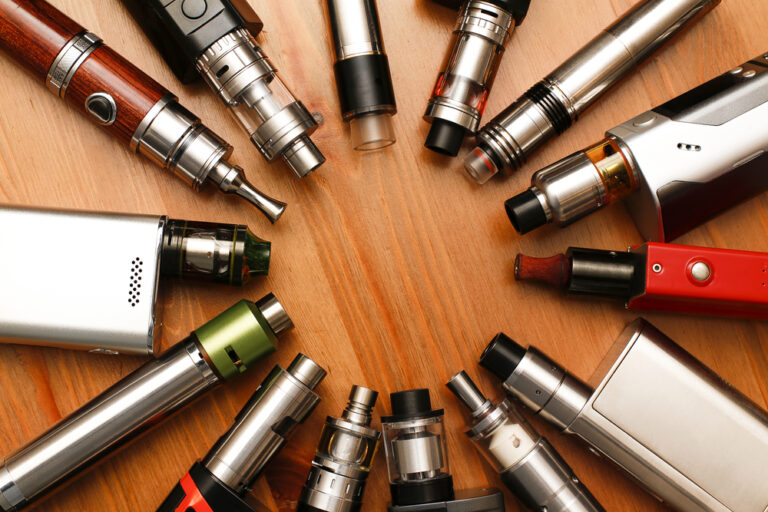
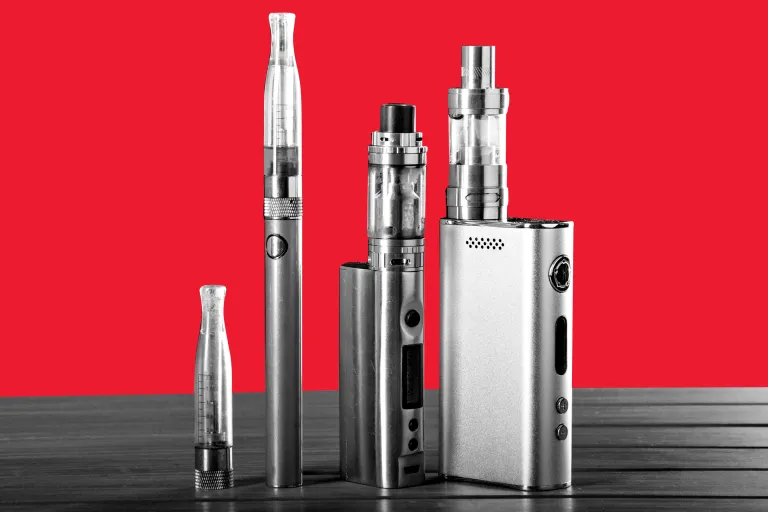
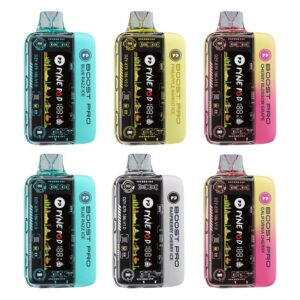
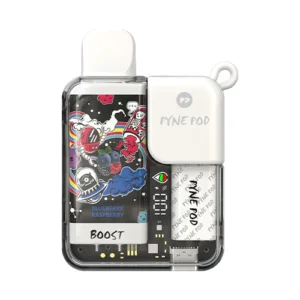
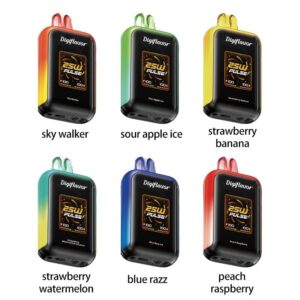
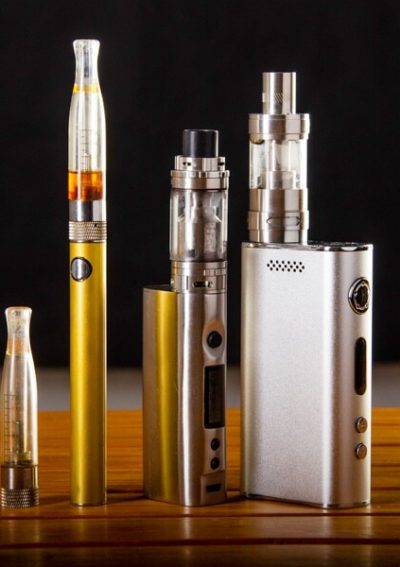
E-cigarettes, or e-cigs, come in a variety of shapes and sizes. Some may look like tobacco cigarettes, pens USB drives or other objects. But most consist of a battery, heating element and a tank or compartment to hold a liquid. Liquids may come in the form of a replaceable cartridge and come in a wide variety of flavors. Using an e-cigarette is sometimes called vaping.
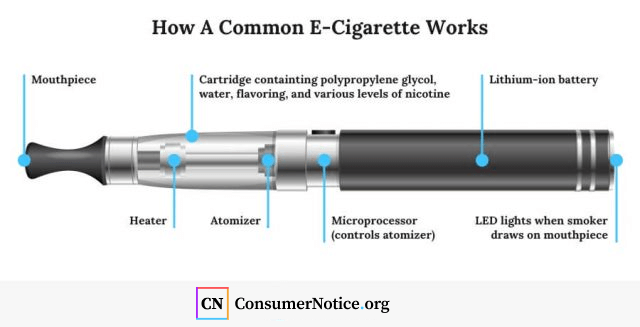
When the user inhales, it activates the device. The battery-powered heating element heats the liquid in the e-cig, turning it into an aerosol vapor. Users inhale this vapor into their lungs. Bystanders may also inhale it as the user exhales.
The vapor usually contains nicotine, the addictive chemical in tobacco. According to the American Lung Association, it may also contain formaldehyde and acrolein. These two chemicals are especially harmful. E-cigarettes may also be used to deliver marijuana or other illicit drugs.
E-Cigarette Myths
E-cigarettes are often marketed as smoking cessation tools or as a safe alternative to tobacco. But these and other myths about e-cigs create a smokescreen of false security about the devices.
5 Myths About E-Cigarettes
E-Cig vapor is safe or pureE-cigarette vapor usually contains nicotine as well as other potentially toxic chemicals that can lead to nicotine addiction or other serious health conditions.E-Cigarettes are a safe alternative to tobaccoNeither e-cigs nor the e-liquids they use are regulated for purity or safety by federal regulators. Toxins in e-liquids may not be included on labels.E-Cig nicotine is addictive but not dangerousNicotine does not cause cancer, but it plays a key role in promoting tumor growth. It also contributes to cardiovascular and respiratory conditions.There is no gateway effectA 2017 study in the Journal of the American Medical Association Pediatrics found that young people who started with e-cigarettes were at a greater risk for moving on to tobacco use.E-cigs don’t produce secondhand smokeBreathing in secondhand vapor, also called passive vaping, can expose non-users to toxic chemicals. A 2017 study in the Bulletin of the World Health Organization found that levels of some metals in secondhand vapor were higher than in secondhand smoke.
Can E-Cigarettes Help You Stop Smoking?
Manufacturers have marketed e-cigarettes as a tool to help people stop smoking. But there is no conclusive scientific evidence that e-cigs are effective at helping people quit smoking long-term, according to the National Institute on Drug Abuse.
The U.S. Food and Drug Administration has not approved e-cigarettes as a smoking cessation aid. The FDA has approved seven other quit-smoking aids that have been shown to be safe and effective. These include over-the-counter nicotine gum, lozenges and patches. It also includes two prescription drugs that do not contain nicotine, Chantix and Zyban.
The National Academies of Science, Engineering and Medicine concluded in 2018 that there is limited evidence that e-cigarettes can be effectively used to stop smoking. The academies also found insufficient evidence on whether e-cigarettes are an effective smoking cessation aid when compared to no treatment or to other FDA approved smoking cessation methods.
Many smokers who use e-cigarettes to quit do not actually completely quit cigarettes, according to the Centers for Disease Control and Prevention. Instead, they often use both.